2013 — High school, and the Nexus dream
In this year
2013 was my first year of high school and the first year I had basically unrestricted phone and tablet use. Before that, I had been at a private Christian school. They only let me use my Asus Transformer Prime because my history and science teacher had one.
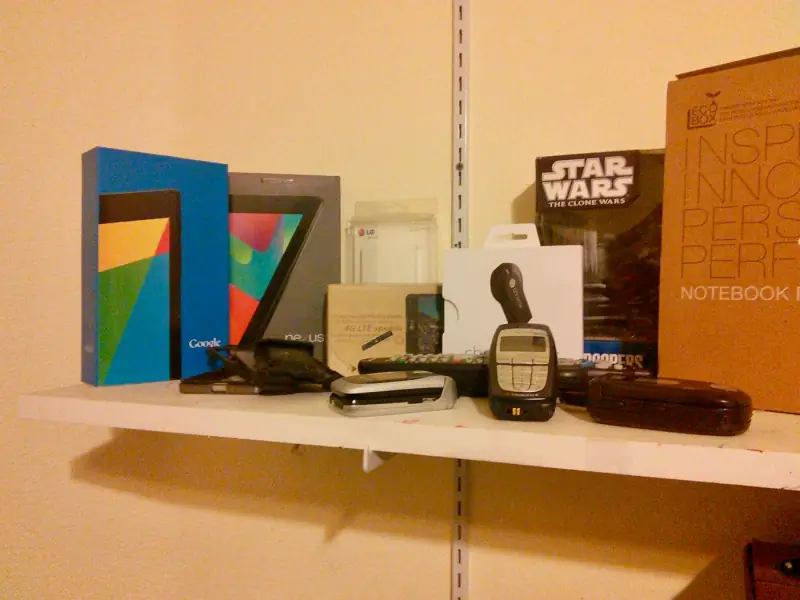
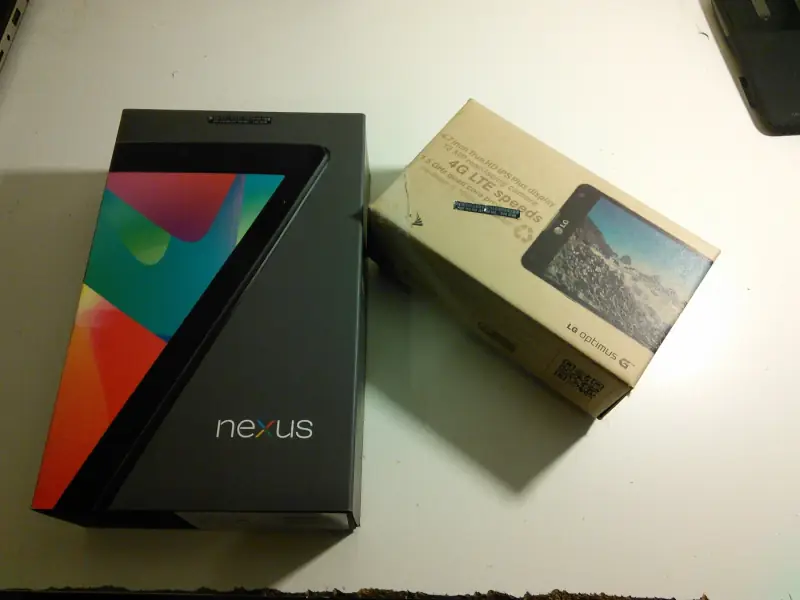
Getting a Nexus was a dream. From October 2012 to October 2013, I had an LG Optimus G, and I was grateful for it: high-end hardware, a reasonably modern version of Android, and, crucially, something I could get through Sprint. The Nexus I wanted wasn’t an option on my carrier. The Optimus G felt like the closest I could get, with one frustrating difference: waiting for updates.
By spring, I was sick of waiting. Following Android meant knowing what was coming and then wondering when your manufacturer and carrier would let you have it. To me, Nexus meant getting out of that queue. The trouble was that getting one often meant accepting a compromise somewhere else.
Summer · The MacBook Air #
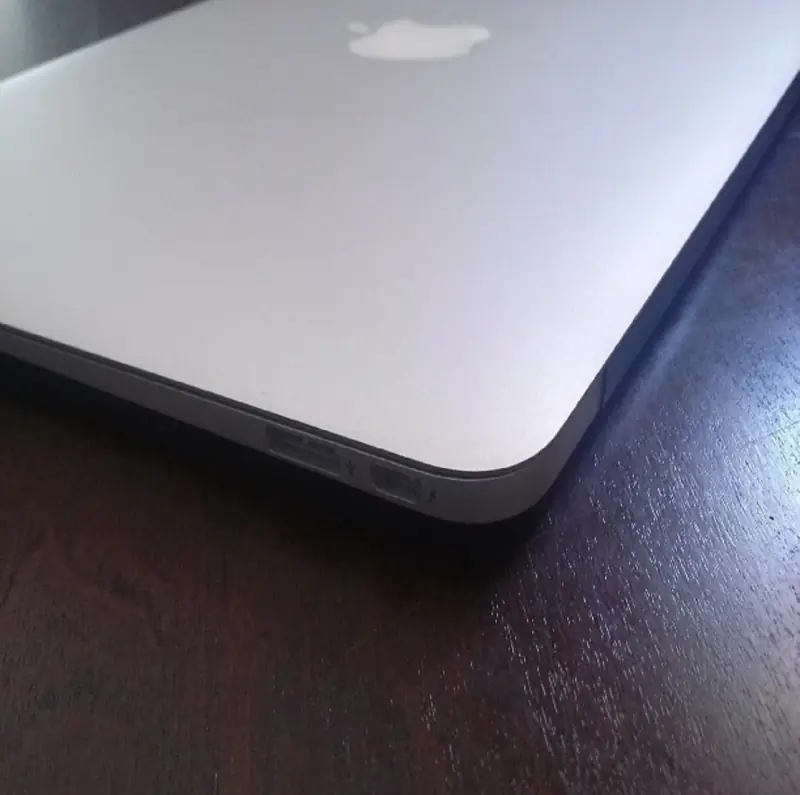
I used the ASUS VivoBook X202E through the summer, then moved to a 2011 11-inch MacBook Air. That was the beginning of the Mac experience that would shape so much of what I wanted from my devices in 2014.
Fall · Finally, the Nexus 5 #
That fall, the Nexus 5 seemed to have everything lined up for me: Sprint availability, LTE, the hardware I wanted, and Google’s take on Android. I loved it. For a while, it felt like the end of the search.
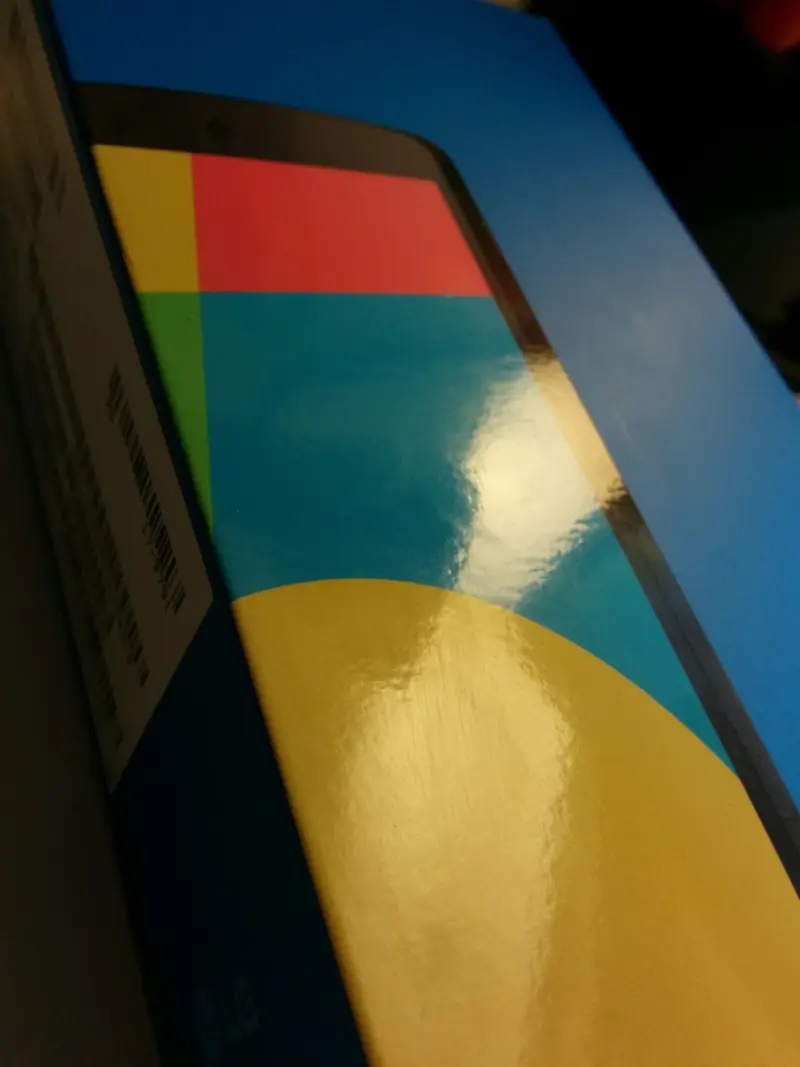
Then I started noticing the body. The plastic would wobble and creak; the edges were easy to mark. Going into 2014, the updates weren’t exciting enough to make me overlook how the phone felt in my hand. After all that anticipation, I was beginning to feel disappointed.
I had spent so much time chasing the right specifications and the right software. I was about to discover how much the physical design mattered to me, too.